The Healthcare Gap
Navigating California's Medi-Cal Reentry Initiative
A person can leave custody carrying medications for diabetes, high blood pressure, asthma, mental health, or substance-use treatment and still have no clear answer to a basic question: who is responsible for the next refill?
That gap can turn release day into a medical countdown. California's Justice-Involved Reentry Initiative is designed to start the handoff before the gate opens so eligible people are not forced to rebuild health care from zero.
What You Need to Know Now
Eligible people can receive targeted Medi-Cal services before release. California's Justice-Involved Reentry Initiative allows a targeted set of services for eligible people in state prisons, county jails, and youth correctional facilities for up to 90 days before release.
All 31 CDCR prisons are live. DHCS lists all California state prison facilities as live with prerelease services. County jail and youth-facility rollout has been phased, so local availability still depends on facility implementation status.
The program is about continuity, not just enrollment. Services can include care management, physical and behavioral health care, medications, and transition planning designed to connect people to community care after release.
Ask for names before you leave. A real handoff should identify the care manager, provider, pharmacy, medication plan, and follow-up appointment—not simply give you a phone number to call later.
The Healthcare Gap
Season 1 · Episode 6


Release Day Should Not Come With a Medical Countdown
The period immediately after incarceration can be medically dangerous, especially when treatment for chronic illness, behavioral health conditions, or substance-use disorders is interrupted.
A widely cited Washington State study found sharply elevated mortality in the first two weeks after prison release. That research is historical and is not a current California mortality rate, but it helped establish a lasting public-health lesson: continuity of care after incarceration can be life-or-death.

Medi-Cal Can Now Begin Before Release
California became the first state in the nation approved to provide a targeted package of Medicaid services to eligible incarcerated people before release. The Justice-Involved Reentry Initiative can provide covered services for up to 90 days before release.
DHCS says the goal is to establish prerelease Medi-Cal enrollment strategies and connect eligible people to physical health, behavioral health, medications, care management, and community follow-up.
California's Prerelease Health Bridge
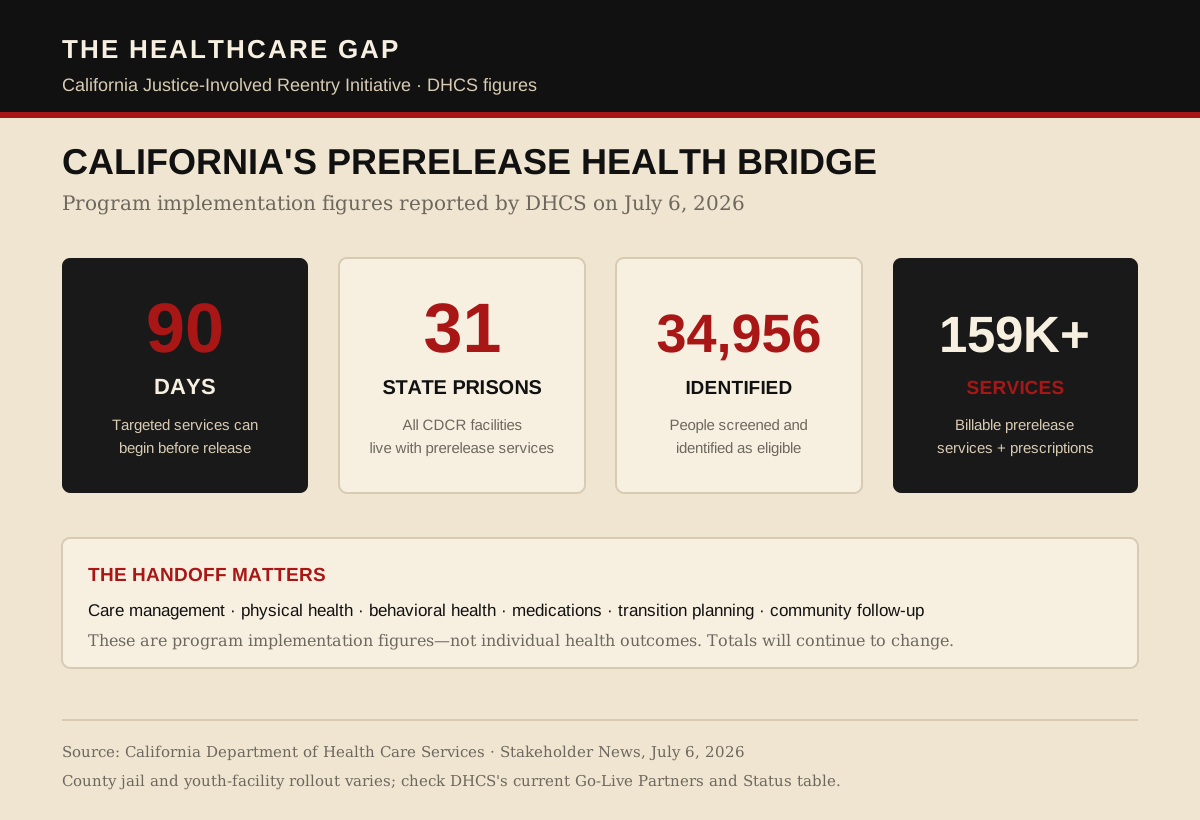
Dated program figures. DHCS reported these implementation numbers on July 6, 2026. They describe program activity, not individual outcomes, and totals will continue to change as implementation expands.
A Warm Handoff Means Leaving With Names, Not Just Instructions
A useful reentry health plan should tell you who your care manager is, where you will receive follow-up care, how you will obtain medication, what pharmacy to use, and when the next appointment is scheduled.
Before release, ask specifically what medications and durable medical equipment will be provided, what prescriptions or refills are authorized, who will write the next prescription, and what to do if the community appointment falls through.
Care Management Is the Bridge
The strongest version of this initiative is not simply activating coverage. It is creating a connection between the correctional health system and the community provider who will take over after release.
DHCS describes care management and warm handoffs as core parts of the model. For eligible people, Enhanced Care Management and other community-based services can help coordinate physical health, behavioral health, substance-use treatment, medications, and other needs after release.
Do Not Wait for the Bottle to Run Empty
If you are approaching release, ask the health or reentry team when Medi-Cal enrollment and Justice-Involved Reentry services should begin. Ask what will happen to current prescriptions on release day and who is responsible for the next refill.
If you are already home and the connection broke down, community health centers, county clinics, and other safety-net providers can be important access points while coverage, appointments, or care management are being sorted out.
Six Questions to Ask Before Release
- Is my Medi-Cal active? Ask whether enrollment or coverage has been confirmed and what identification or information you will need after release.
- Who is my care manager? Get the person's name, organization, phone number, and any backup contact.
- Where is my first appointment? Get the provider name, address, date, time, and transportation plan.
- What is the medication plan? Confirm what medication supply you will leave with, which pharmacy to use, and who will authorize the next refill.
- What happens to behavioral health or substance-use treatment? Ask how counseling, medications, or treatment services will continue in the community.
- What do I do if the handoff fails? Get a specific number or clinic to contact before the current medication supply or treatment connection runs out.
Continuity Is the Standard
California's Justice-Involved Reentry Initiative is significant because it recognizes something people returning home have known for years: release is not a clean break between two separate health systems.
A strong transition keeps treatment moving across the gate: the prescription continues, the appointment happens, the care manager answers, and the next provider knows what care is already underway.
Sacramento Starting Point
Sacramento County Department of Human Assistance: for Medi-Cal applications or case questions, call 1-800-560-0976. For county specialty mental-health screening and coordination, call 916-875-1055. Open DHA services ↗
Verified Sources & Further Reading
- California DHCS — Justice-Involved Reentry Initiative
- California DHCS — Justice-Involved Reentry Go-Live Partners and Status
- California DHCS — July 6, 2026 implementation update and program figures
- California DHCS — First Justice-Involved Reentry Initiative Impact Report
- California DHCS — Enhanced Care Management
- New England Journal of Medicine — Release from Prison: A High Risk of Death for Former Inmates
Support Independent Reentry Media
Collateral Consequences turns complicated rules into practical information people can actually use. Your support helps fund research, production, outreach, and future reporting on the barriers that continue after incarceration.
Support Collateral Consequences on Givebutter →
With appreciation to BAVC Media for serving as the fiscal sponsor of Collateral Consequences: Freedom's Fine Print and supporting this independent media project.
Need Reentry Resources?
The Reentry Village connects people with practical resources for housing, employment, healthcare, identification, education, recovery, legal assistance, benefits, transportation, and family stability.
Collateral Consequences: Freedom's Fine Print is hosted by Larenzo and fiscally sponsored by BAVC Media.
Educational and informational content only. This article is not individualized medical advice. Medi-Cal eligibility, covered services, facility implementation, medications, and care-management arrangements can vary and change. Confirm current details with DHCS, the responsible correctional health team, your health plan, or a qualified health professional.