
EPISODE NOTES
What this episode explores
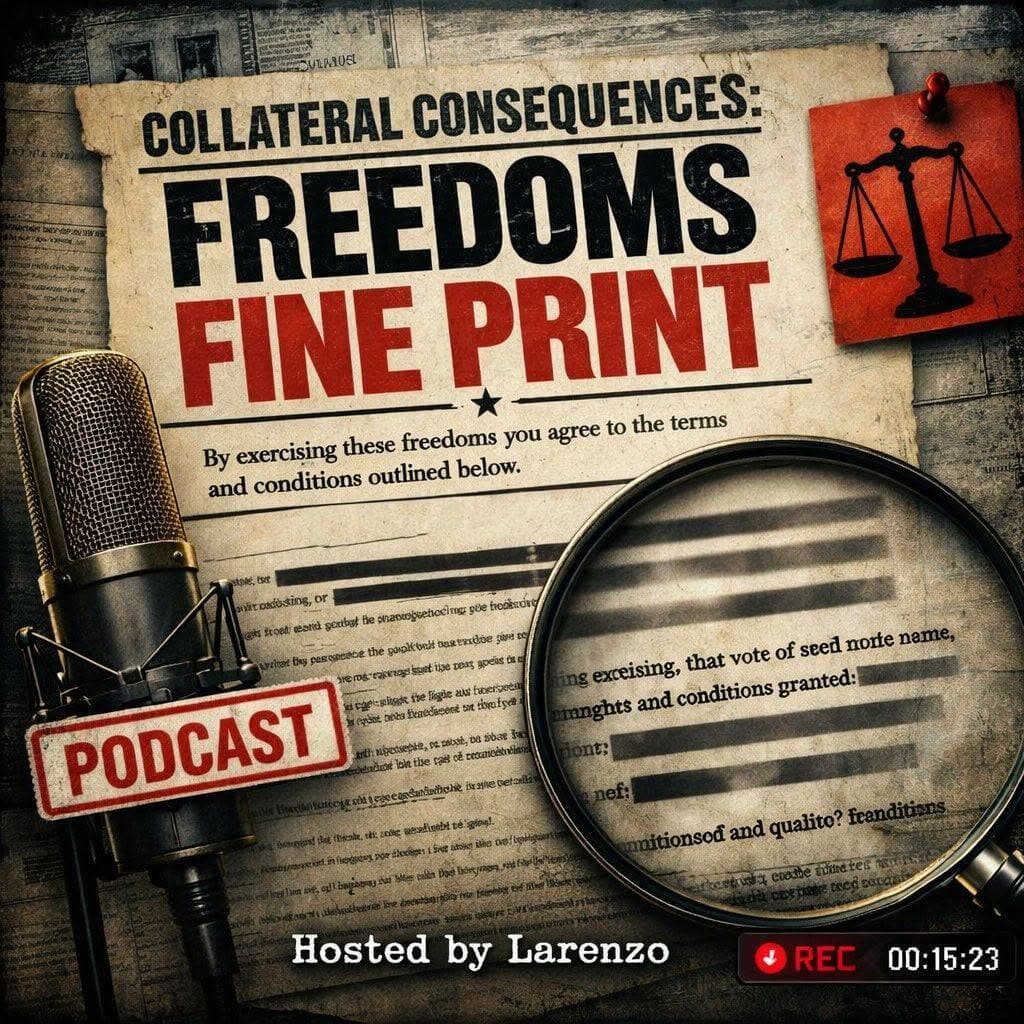
The Silent Sentence introduces the central idea behind Collateral Consequences: punishment can continue long after a person leaves custody. The episode explains how legal restrictions, institutional rules, screening practices, and social barriers can shape housing, employment, licensing, family life, and civic participation.
Topics covered
- What collateral consequences are and how they operate after release
- Housing, employment, and licensing barriers
- The difference between a completed sentence and continuing restrictions
- Why understanding the fine print matters for reentry planning
Key takeaways
- Release from custody does not automatically end every legal or practical consequence of a conviction.
- Different barriers come from different systems, so each one requires its own solution.
- Understanding the rule behind a barrier is the first step toward identifying realistic options.
Why this conversation matters
The concept of a silent sentence explains why reentry can remain difficult even after someone has served the formal sentence. Naming these barriers makes them easier to research, challenge, and navigate.
Resources & organizations
Official and practical links connected to this episode's topic. These are provided as next-step resources and are not necessarily organizations verbally mentioned in the recording.
National Inventory of Collateral Consequences of ConvictionSearchable national database of legal collateral consequences tied to criminal convictions.Visit official resource ↗The Reentry Village Resource HubPractical reentry resources organized around barriers people face after incarceration.Open resource →